
There was a time and place when the hot ticket in classical music was an all-female orchestra led by female conductors and featuring female soloists. Its members lived together and studied with the leading international composers of the day. The government provided financial support, as did private donors.
This was 18th-century Venice, and the institution in question was the Ospedale della Pietà, a foundation that cared for abandoned and orphaned children. Because there is nothing else quite like in the history of music, the Pietà has been the subject of considerable fascination, chronicled in movies, novels, and on recordings.
Anna Maria Di Vico Administrative Officer at Department of Work and Pensions. Infermiere qualificato presso p.o. Maria della Pieta. Maria della Pieta. Share your videos with friends, family, and the world.
Its fame is largely connected to its illustrious resident composer and violin teacher: Antonio Vivaldi. The ‘Red Priest’ was affiliated with the Pietà for much of his adult life, and though his tenure had its troubles — he could be strong-willed, flighty and perhaps a bit suspect — the fruits of his legacy are numerous and include oratorios, sonatas and concertos for violin, cello, flute, oboe, bassoon and mandolin.

Who Were the Pietà Students?
In 1703, a 25-year-old Vivaldi was ordained as a priest and joined the Pietà as maestro di violino. Fits of coughing, likely due to asthma, had forced him to give up celebrating Mass, but the Pietà held a liturgical function through its performances.
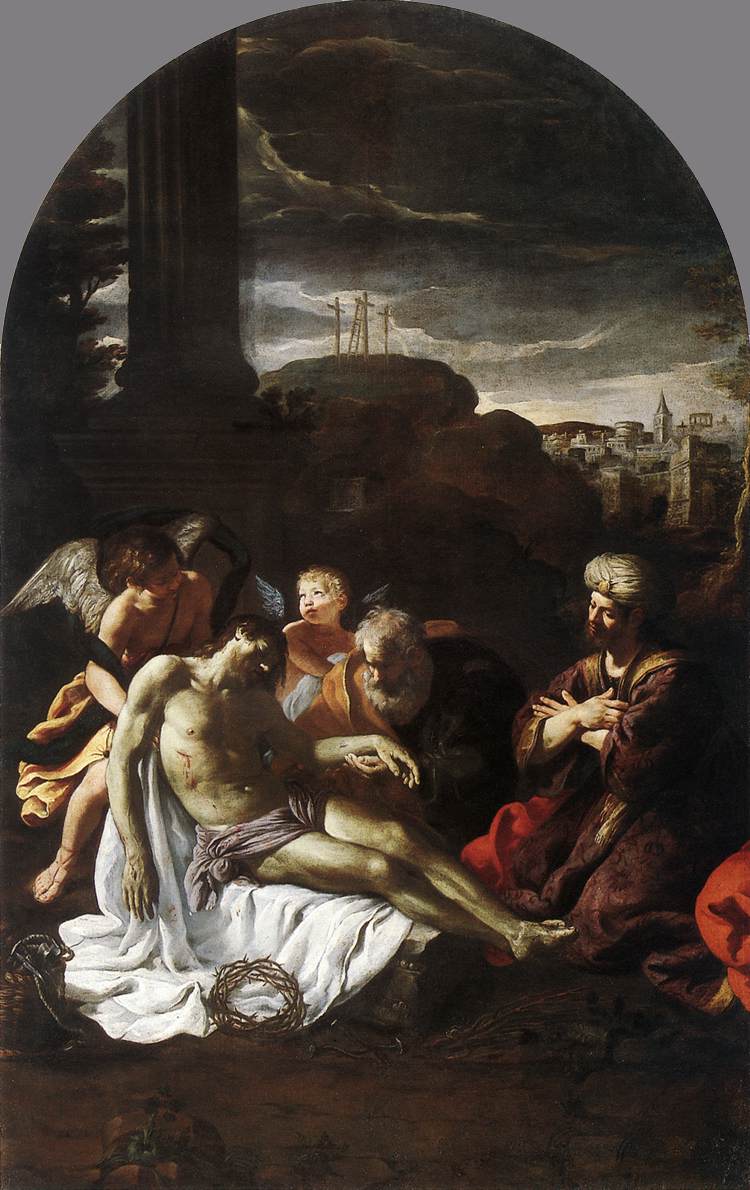
The Pietà was one of four ospedali grandi in Venice, and home to nearly a thousand students. The boys lived separately in the home and learned a trade. The girls studied music, and the most accomplished were placed in a special class — the figlie di coro, (daughters of the choir) — where they could attain a certain celebrity and, if lucky, marriage offers from the nobility.
Anna Maria Della Pieta Vivaldi
Eyewitness Reports
Anna Maria Della Pieta
There were between 40 and 60 students in a coro. Public performances took place in chapels and drew travelers from around Europe. Some of the (male) interest was clearly voyeuristic, as the girls performed in galleries, cloaked behind metal grills.
There was a time in Venice when baby girls could be dropped through a slot, similar to a libraryreturns chute, and so be abandoned to be raised in a convent. If a young girl was (relatively speaking) lucky enough to be left at the Ospedale della Pietà in the late 1600s, then she would be raised in one of the best musical traditions of the day. The teacher was none other than Antonio Vivaldi, and he wrote most of his best music for these orphan girls. One in particular was his favourite, and he created an entire book just for her, the ‘Anna-Maria Part Book’. Handsomely bound in leather, this book included the violin parts of 31 concertos, and while most can be found elsewhere in historical documents, six concertos have only ever been found in this book.
Federico Maria Sardelli, a specialist not only in historical performance but also musicology and conducting, has painstakingly reconstructed these missing six concertos from snippets found across the historical record. Federico Guglielmo and the ensemble Modo Antiquo, under the direction of Sardelli, have created a bright and engaging recording of these works. Particular favourites of mine were the Concertos for Violin and Organ, with a sweet blending of the tone colours, each melding and then taking charge before bowing again to the full orchestra.

Ospedale Della Pieta
Kate Rockstrom is a friend of Readings.