
On a long drive across the country last week, Andrea and I listened to a book on CD. I had seen The Glass Castle remain in the top-seller section at Kepler’s, my favorite independent bookstore, for months. I noticed it again when browsing the library for books to entertain us on our trip so I checked it out. Andrea and I started listening to the 10-hour audio book on the third day of our trip.
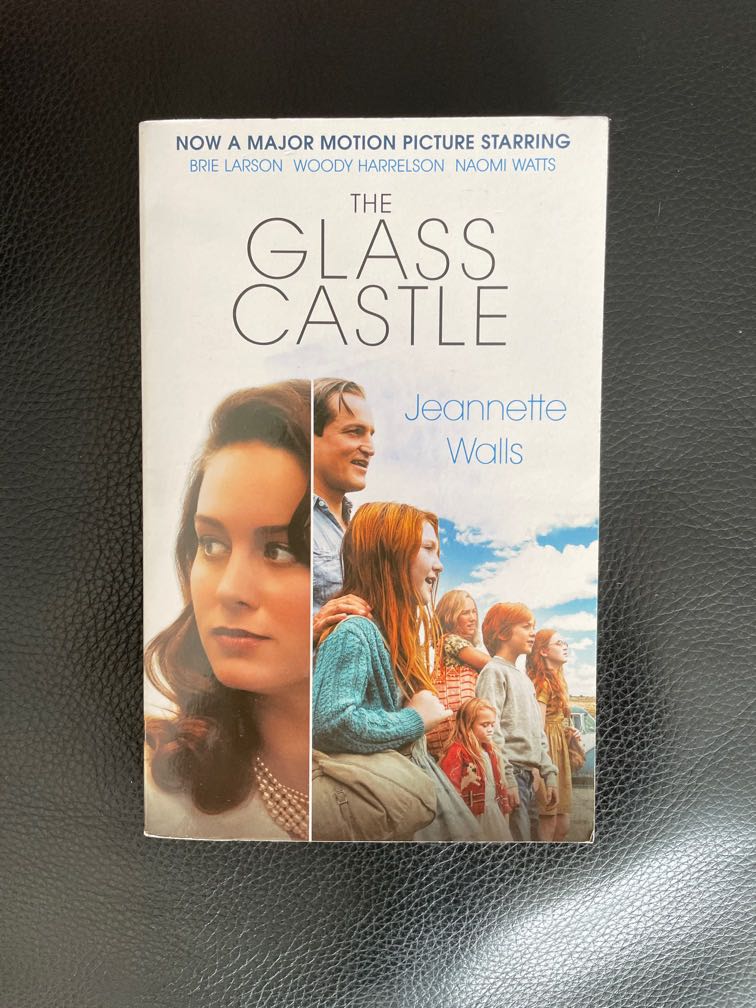
Jeannette Walls in The Glass Castle illustrates how an alcoholic parent can totally disrupt family life and cause harmful effects that can last a lifetime. Children who are growing up in an alcoholic home may develop emotional problems, such as anxiety and behavioral explosion. Jeannette’s father is an alcoholic man. The Glass Castle (Reprint) (Paperback) by Jeannette Walls Description:Jeannette Walls grew up with parents whose ideals and stubborn nonconformity were both their curse and their salvation. Rex and Rose Mary Walls had four children. In the beginning, they lived like nomads, moving among Southwest desert towns, camping in the mountains.
Jeannette Walls Parents The Glass Castle



Jeannette Glass Castle

In The Glass Castle, this search mirrors Jeannette’s process of growing up: Jeannette idealizes her grandmother’s house in Phoenix, for example, as well as her father’s plans for the Glass Castle. Yet part of her process of maturing involves understanding that a home is not an ideal. In The Glass Castle, Jeannette Walls and her three siblings suffer from hunger and poverty as a result of their parents’ life choices. In a household where food is scarce, any scrap is highly.
The Glass Castle P94
Wow, talk about resiliency! Jeannette Walls, an accomplished journalist, tells the story of her chaotic yet magical childhood in The Glass Castle. Walls’ father was an educated, articulate alcoholic who told his four children that someday he would build them a glass castle in the desert. Her mother, an artist, was a self-absorbed optimist who believed children should be taught to fend for themselves. The family moved from place to place, avoiding bill collectors and law enforcement who were often after them.
There was very little money in the family that wasn’t spent on the father’s booze, so the children were frequently hungry. One poignant and painful scene recalls Jeannette and her sister, Lori, eating the last bit of food in the house: a stick of margarine that they covered in sugar.
Despite extreme poverty and inept parenting, Jeannette Walls – and two of her three siblings – became successful adults. How? They had a few protective factors in place:
Reasoning Ability: Walls’ parents were educated people and taught the children how to solve problems, both through logic and through experience. Unfortunately, the experience portion was often neglectful and abusive, which it need not be in order for children to learn to reason.
Internal Locus of Control: The Walls children had no option but to rely on themselves. They quickly learned that they were able to impact their own destiny and were all high achievers in school.
Autonomy: Having little parental guidance, Jeannette Walls and her siblings were quite autonomous. They got into a few scrapes because of this, but also knew they had to act independently of their parents.
Sociability: Amazingly, Jeannette Walls was able to keep her good intentions toward others and this always helped her in the long run. In one instance, she was able to befriend a bully by showing kindness toward a child in the bully’s neighborhood. She also had a special teacher at her high school who held high expectations for her and saw past the poverty to Jeannette’s amazing potential.
Is this the way we want resiliency to form in children – through neglect? Of course not, but the fact that Jeannette Walls and her brother and sister were able to capitalize on the positive in their experiences and become successful adults is a true testament to the power of resilience. In an online interview, Walls herself verifies this:
Interviewer: At this point in your life, if you could change how you grew up would you?
Walls: No, absolutely not. You don’t get to the destination you are at if you don’t travel the route. I think I would be someone totally different. I am a happy person. I wouldn’t want to re-live it but I wouldn’t want to change it.
Have you read The Glass Castle? I would love to hear your thoughts about it. Post your comments in the box below.
Related Posts